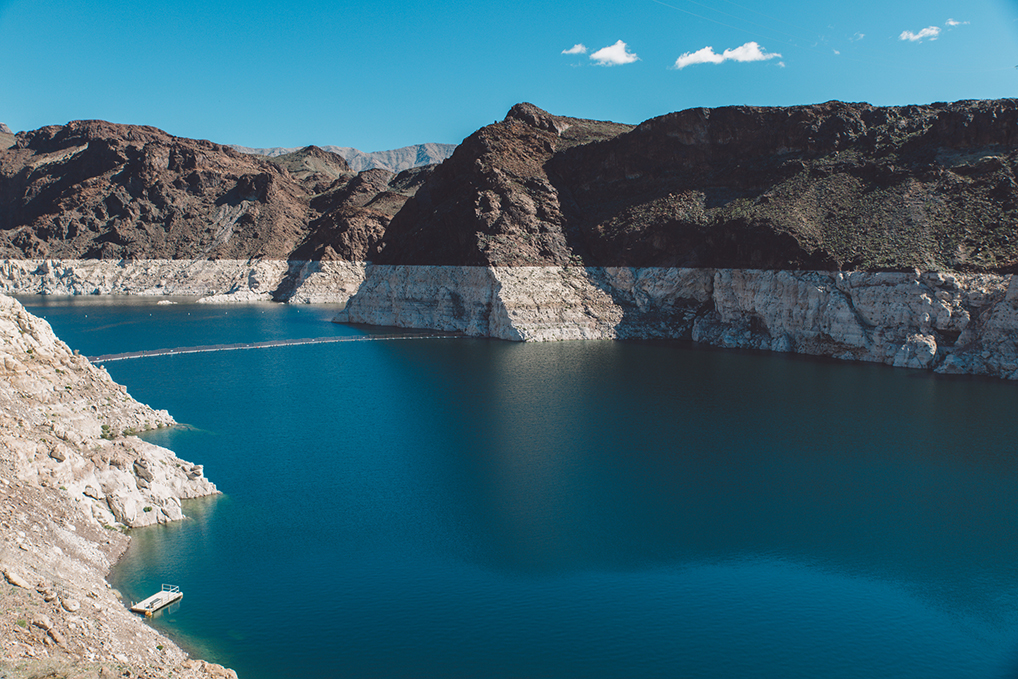
Nevada remains at the forefront of the Western United States’ water crisis, grappling with the long-term effects of aridification and a heavy reliance on the shrinking Colorado River. As the driest state in the nation, Nevada’s management of limited groundwater and surface water resources is vital for its burgeoning population and economic stability. While aggressive conservation efforts in urban centers like Las Vegas have set global benchmarks for efficiency, new industrial demands are complicating the state’s hydrological forecast.
A significant emerging challenge to this delicate balance is the rapid expansion of the technology sector, particularly the proliferation of large-scale data centers. These facilities are essential for the modern digital economy, yet they require substantial resources to function. Most notably, traditional evaporative cooling systems used by many data centers can consume millions of gallons of water daily to prevent server hardware from overheating. In a state where every acre-foot of water is strictly allocated, this high intensity of consumption poses a potential risk to local aquifers and municipal supplies.
To mitigate these impacts, state officials and industry leaders are increasingly exploring “water-neutral” initiatives and advanced closed-loop cooling technologies that recycle water rather than evaporating it. However, as the demand for cloud computing and artificial intelligence continues to accelerate, balancing the economic benefits of the tech industry with the ecological imperatives of water preservation remains a delicate and urgent priority for Nevada’s sustainable future.
Proposed recommendations for addressing the water crisis challenges in Nevada:
Nevada’s position as the driest state in the nation necessitates a forward-thinking approach to water management, particularly as the region attracts resource-intensive industries. While the depletion of the Colorado River remains a primary concern, the rapid expansion of data centers has emerged as a significant factor affecting the state’s water security. These facilities require millions of gallons of water daily to cool the servers that power our digital economy, often creating a tension between economic growth and environmental sustainability.
To resolve these growing concerns, policy experts recommend a shift toward more sustainable infrastructure and stringent regulatory oversight. A primary recommendation is the mandatory implementation of “closed-loop” or air-cooling technologies for all new data center developments. Unlike traditional evaporative cooling, which loses water to the atmosphere, these systems recycle water or use ambient air, drastically reducing net consumption. Additionally, incentivizing the use of reclaimed wastewater for industrial cooling rather than drawing from potable groundwater supplies can preserve high-quality water for residential and agricultural use.
Furthermore, the state should consider implementing “water-neutral” mandates for large-scale technological developments. This approach would require data center operators to invest in local conservation projects that offset their total water footprint. By balancing technological advancement with aggressive conservation measures and transparent data reporting, Nevada can continue to foster economic development without compromising its most precious natural resource. Ultimately, modernizing the state’s water policy is essential for ensuring long-term resilience in an increasingly arid climate.